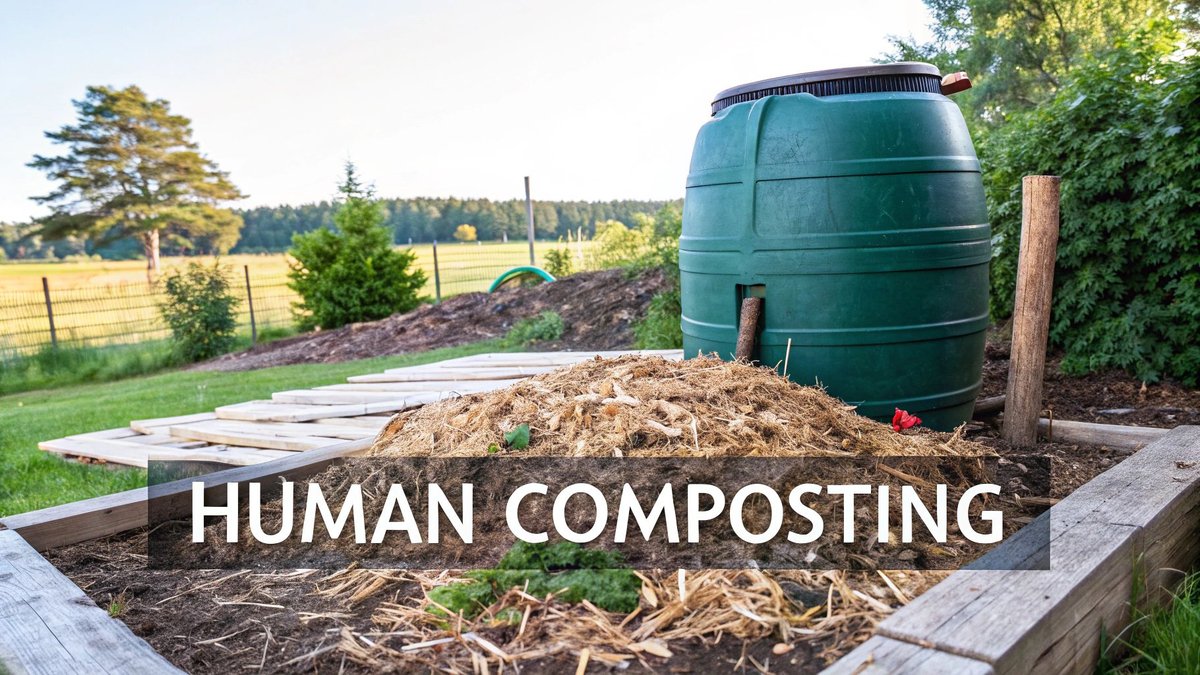
When facing the ultimate transition, many of us ponder our legacy – not just for our loved ones, but for the planet we leave behind. The choices available for end-of-life care have long been limited, but a growing movement is championing Eco-Friendly & Green Burial Options, offering a way to return to the earth with intention and minimal environmental impact. This isn't just about a "burial"; it's about a final act of stewardship, allowing your journey home to nourish the earth rather than burden it.
Gone are the days when your only choices were traditional embalming and an elaborate casket, or flame cremation with its carbon footprint. Today, you have a spectrum of thoughtful, sustainable alternatives that honor both your life and your values.
At a Glance: Your Guide to Green Burial
- What is Green Burial? It's an environmentally conscious approach to end-of-life care that prioritizes natural decomposition, minimizes chemicals, and uses biodegradable materials.
- Why Choose It? For environmental stewardship, land conservation, reduced carbon footprint, and a meaningful connection to nature.
- Key Principles: No toxic embalming, biodegradable containers (shrouds, untreated wood caskets), no vaults, and burial grounds designed for natural return to the earth.
- Options Galore: From natural earth burial and human composting to water cremation and even reef creation, there's a green choice for many preferences.
- Finding a Provider: Look for Green Burial Council (GBC) certified cemeteries or funeral homes. Always ask for rules in writing to avoid "greenwashing."
- Costs: Often less expensive than traditional options, primarily by eliminating embalming and vaults.
- Planning Ahead: Crucial for ensuring your wishes are honored and relieving stress on family members.
Making a Lasting Impact: Why Eco-Friendly Choices Matter
In an era acutely aware of our ecological footprint, it's natural to extend this mindfulness to our final resting place. Traditional burial practices, with their embalming fluids, non-biodegradable caskets, and concrete vaults, introduce chemicals into the soil and consume vast amounts of natural resources and land. Flame cremation, while avoiding land use, releases carbon dioxide and other pollutants into the atmosphere.
Eco-friendly and green burial options offer a powerful counter-narrative. They embrace the natural cycle of life and death, allowing the body to return to the earth gently, nourishing new life rather than polluting it. Choosing a green burial is a statement of your values, a commitment to sustainability that echoes even after your lifetime, providing a lasting, positive contribution to the environment.
The Core Principles of a Natural Return
At its heart, green burial is about simplicity and natural integration. It's a respectful process that supports the earth's ecosystem. Here's what sets it apart:
- Chemical-Free Body Care: Conventional embalming, which uses formaldehyde-based fluids, is bypassed. Instead, refrigeration, dry ice, or simple washing and dressing are used to prepare the body.
- Biodegradable Materials: Forget the polished metal or treated wood caskets. Green burial champions containers (caskets or shrouds) made from natural, rapidly biodegradable materials like untreated wood, wicker, bamboo, or organic cotton.
- No Burial Vaults or Liners: These concrete or plastic structures prevent natural decomposition and soil aeration. Green burial grounds allow direct contact between the body and the earth, unless a conventional cemetery mandates a vault for a hybrid option.
- Support for Natural Decomposition: The burial site itself is chosen or designed to foster ecological health. This means limiting chemicals, non-native markers, and supporting the natural flora and fauna of the land.
Exploring Your Eco-Friendly & Green Burial Options
The landscape of green burial is richer and more varied than many realize. You have distinct choices, each with unique benefits and considerations.
1. Natural Burial: Returning to the Earth, Unadorned
Natural burial is perhaps the most direct expression of eco-friendly end-of-life care. It allows the body to decompose naturally, enriching the soil and becoming part of the local ecosystem. This method eliminates embalming fluids and uses only biodegradable materials, typically in sites specifically designed for this purpose.
- Benefits: This option offers profound environmental stewardship, supports land conservation, and fosters a deep personal connection to nature. By avoiding costly traditional elements, it often provides significant cost savings.
- Examples: Revered pioneers include Ramsey Creek Preserve in South Carolina and Prairie Creek Conservation Cemetery in Florida, both setting standards for natural decomposition.
- Planning: Begin by seeking a Green Burial Council (GBC) certified cemetery. Verify their specific requirements for containers and markers in writing. The process involves preparing the body without embalming, placing it in a biodegradable container or shroud, and interring it in a shallow grave that allows for optimal decomposition. Markers are typically natural, flat stones or even GPS coordinates.
2. Human Composting (Natural Organic Reduction - NOR): A Transformation to Soil
Human composting, also known as Natural Organic Reduction (NOR), is an innovative process that transforms human remains into nutrient-rich soil. Over approximately 30-60 days, the body is placed in a reusable vessel with organic materials like wood chips, alfalfa, and straw. A controlled environment accelerates natural decomposition, yielding about a cubic yard of usable soil.
- Benefits: This method offers exceptional environmental sustainability by avoiding the carbon emissions of cremation and the chemicals of embalming. It actively sequesters carbon and returns vital nutrients directly to the earth, minimizing land use.
- Examples: Pioneering services like Recompose and Return Home in Washington State (and Return Home in Colorado) lead the way in offering this transformative option.
- Planning: First, confirm the legality of NOR in your state, as regulations vary. Due to limited capacity at current facilities, making advance arrangements is advisable. Consider transportation logistics and have open discussions with your family about this unique choice.
3. Water Cremation (Alkaline Hydrolysis / Aquamation): Gentle Decomposition
Water cremation, or alkaline hydrolysis (often called Aquamation), provides a gentler, more eco-conscious alternative to flame cremation. It uses water, heat, and an alkali (typically potassium hydroxide) in a pressurized chamber to accelerate the body's natural decomposition process. Over several hours, the body is reduced to bone fragments and a sterile, nutrient-rich liquid.
- Benefits: This process significantly reduces environmental impact compared to flame cremation, using less energy and emitting no harmful atmospheric pollutants or mercury. It offers a gentler, respectful breakdown of the body and results in a much lower carbon footprint.
- Examples: Providers like Bio-Response Solutions and Peaceful Pets are at the forefront, with select funeral homes in over 20 US states now offering this service.
- Planning: As with NOR, check state legality, as acceptance is growing but not universal. Locate certified providers and compare costs, which can vary. Open communication with your family is key to ensuring this choice aligns with everyone's understanding and comfort.
4. Tree Pod Burial: A Living Memorial
Imagine your final rest becoming the roots of a new tree. Tree pod burial conceptualizes placing human remains in a biodegradable pod that nourishes a sapling planted directly above it. This creates a living memorial, fostering forest restoration and actively sequestering carbon from the atmosphere.
- Benefits: This option champions environmental regeneration, actively contributes to carbon sequestration, and provides a deeply symbolic, living memorial. It also significantly reduces land use typically associated with conventional cemeteries.
- Examples: While Capsula Mundi remains largely conceptual in Italy, products like The Living Urn and Bios Urn offer similar principles, allowing you to incorporate ashes into a living tree. Memory Forests offer dedicated spaces for such memorials.
- Planning: Research local regulations regarding the planting of remains and trees. Choose native tree species that will thrive in the local ecosystem. Consider the ongoing care the tree will need and verify land use permissions for your chosen location.
5. Mushroom Burial Suit (Infinity Burial Suit): Nature's Cleansers
The Infinity Burial Suit by Coeio's Jae Rhim Lee introduces an innovative concept: an organic cotton garment infused with mushroom spores and other microorganisms. This suit is designed to aid the body's decomposition process and, crucially, to help neutralize toxins (like pesticides and heavy metals) that accumulate in our bodies during life.
- Benefits: The suit actively contributes to the remediation of environmental toxins, accelerates the natural decomposition process, and ensures a cleaner return to the earth, significantly reducing environmental impact.
- Example: Coeio's Infinity Burial Suit is the most prominent example of this fascinating approach.
- Planning: You'll need to confirm that your chosen cemetery accepts the use of such a suit. Ensure proper storage of the suit before its use and coordinate closely with your funeral director to integrate it seamlessly into the broader green burial plan.
6. Reef Burial (Eternal Reefs): Beneath the Waves
For those with a deep connection to the ocean, reef burial offers a truly unique eco-friendly option. Cremated remains are mixed with environmentally safe concrete to create artificial reef structures. These "reef balls" are then placed on the ocean floor, where they provide new habitat for marine life and serve as a permanent, living underwater memorial.
- Benefits: This practice directly supports marine habitat creation and ocean conservation. It provides a distinct form of memorialization and represents a sustainable alternative to traditional burial or ash scattering.
- Examples: Eternal Reefs (operating in Florida, South Carolina, and North Carolina) and The Great Burial Reef (Fort Lauderdale) are leading organizations offering these services.
- Planning: Ceremony timing will often depend on weather and ocean conditions. Consider if family members would be able to visit the site (e.g., via diving or boat tours). Verify regulations for permitted locations and understand the process of concrete curing and placement.
7. Biodegradable Caskets and Shrouds: Simple, Sustainable Containers
Regardless of the specific green burial method you choose, the container itself is a critical component. Biodegradable caskets and shrouds are crafted from natural, sustainably sourced materials like bamboo, willow, seagrass, organic cotton, wool, or untreated wood. They are designed to decompose completely without leaving harmful residues.
- Benefits: These options offer strong environmental protection through sustainable sourcing, often feature beautiful, natural aesthetics, and can be more cost-effective than conventional, ornate caskets.
- Examples: Companies like Passages International, Natural Burial Company (Ecopod), Bellacouche, and Kinkaraco specialize in these products. Many local artisans also craft beautiful, eco-friendly options.
- Planning: Always verify your chosen cemetery's specific requirements for containers. If you desire a custom item, order it well in advance. Consider the material's suitability for the local climate and soil conditions, and handle these often delicate containers with care.
8. Conservation Burial: Protecting Land for Generations
Conservation burial is the pinnacle of green end-of-life choices, integrating natural burial practices with active land conservation. Here, burial fees directly contribute to the permanent protection of natural areas. These dedicated grounds are often protected by conservation easements, ensuring their ecological integrity is preserved for perpetuity.
- Benefits: This choice offers unparalleled environmental preservation and leaves a legacy of conservation. It guarantees natural decomposition without harmful chemicals and fosters a profound, enduring connection with nature.
- Examples: Ramsey Creek Preserve (SC), Prairie Creek Conservation Cemetery (FL), and Greensprings Natural Cemetery Preserve (NY) exemplify the gold standard of conservation burial grounds.
- Planning: Research Green Burial Council certified conservation cemeteries, keeping in mind their limited availability often requires advance planning. Understand the specific conservation mission of the site and reflect on the profound, long-term impact your choice will have.
How Green Burial Works: A Step-by-Step Guide
Navigating the logistics of green burial can seem daunting, but breaking it down into manageable steps makes the process clear:
- Assemble Your Support Team: Start by identifying a funeral home or deathcare provider willing to facilitate an embalming-free process. Crucially, find a cemetery or burial ground whose rules are compatible with your green burial wishes. An end-of-life doula or celebrant can also provide invaluable support and guidance.
- Confirm the Burial Setting and Rules: This is perhaps the most critical step. Before selecting a container, get the cemetery's complete rules in writing. Verify requirements regarding vaults, shrouds, container materials, and permitted markers. This proactive step prevents disappointment and ensures your choices align with their policies.
- Plan the Ceremony and Interment: Green burial ceremonies can range from traditional grave-side services to simple, intimate gatherings. Discuss site-specific etiquette with the burial ground, especially concerning plantings, decorations, and any limitations on activities. The focus is often on celebrating life and the natural cycle.
Navigating Green Burial Grounds: Types and What to Expect
Not all "green" burial sites are created equal. The Green Burial Council (GBC) provides helpful definitions to distinguish between them:
- Hybrid Cemetery: This is a conventional cemetery that dedicates specific sections to natural burial. GBC-certified hybrids will not require vaults in these sections and will permit biodegradable containers. It's a good entry point for many, offering a blend of traditional accessibility with green principles.
- Natural Burial Ground: These are dedicated solely to sustainable practices. They strictly disallow toxic chemicals, vaults, non-native stone markers, or any non-natural burial containers. The entire philosophy of these grounds revolves around ecological restoration and natural decomposition.
- Conservation Burial Ground: This represents the highest tier of green burial. It's a type of natural cemetery that has partnered with a recognized conservation organization. Burial fees directly contribute to the permanent protection of the land, which is managed under a robust conservation management plan to ensure maximum ecological impact and habitat protection. This is where your final act directly supports biodiversity and land preservation.
Understanding Green Burial Costs
One pleasant surprise for many families is that green burial can often be less expensive than a traditional funeral. This is primarily due to the elimination of costly elements like embalming and burial vaults. You can often expect costs to be in the low thousands, making it an accessible option.
Typical costs include:
- Burial Rights (Plot): The fee for the burial plot itself.
- Interment Fees: Charges for opening and closing the grave.
- The Container: The cost of a biodegradable shroud or casket, which can range from very inexpensive for a simple shroud to a few hundred or even a couple of thousand dollars for an elaborate wicker or untreated wood casket.
- Memorialization: This might be a flat native stone marker, a GPS record of the burial site, or a contribution to the conservation efforts of the burial ground.
It's worth noting that conservation burial grounds may sometimes have higher plot prices. This difference often reflects the significant investment in long-term land stewardship and the legal conservation protection that your burial fees directly support.
Planning Ahead: Making Your Green Burial Seamless
Proactive planning is the cornerstone of a smooth green burial experience. It ensures your wishes are respected and alleviates potential burdens on your loved ones during a difficult time.
Here’s a practical sequence to consider:
- Start with the Burial Place: Your choice of burial ground will dictate almost everything else. Its rules are paramount and will determine what containers, body preparations, and markers are permissible.
- Confirm Body Care and Timeline: Inquire about embalming-free options, and if travel or an extended timeline is expected, ask about refrigeration or cooling methods available to preserve the body naturally.
- Then Choose Your Container and Ceremony: Once the first two steps are clear, you can confidently select a biodegradable casket or shroud that meets the cemetery's requirements and plan a ceremony that reflects your values.
Thinking through these decisions in advance empowers you and provides immense peace of mind. For those in the Tennessee area seeking forward-thinking deathcare, you might want to Discover our new generation TN funeral home which embraces modern, eco-friendly approaches.
Spotting Greenwashing: How to Find Certified Green Burial Options
The term "green burial" is increasingly popular, but unfortunately, it's not always regulated. This lack of a single federal standard in the U.S. means that some providers may "greenwash" their services, making claims that aren't fully aligned with true eco-friendly principles.
The best way to ensure you're choosing genuine Eco-Friendly & Green Burial Options is to rely on reputable certification bodies. The Green Burial Council (GBC) is the leading authority.
- Use the GBC's Interactive Maps: Their website offers interactive maps that allow you to search for certified cemeteries by location and categorize them (hybrid, natural, or conservation). This is your most reliable tool.
- Always Ask for Rules in Writing: This cannot be stressed enough. A verbal assurance is not enough. Obtain the cemetery's complete list of rules and regulations in writing and meticulously compare them against your green burial goals. Do they prohibit vaults? Do they allow only biodegradable containers? Are embalming-free burials explicitly permitted?
Essential Questions to Ask Your Cemetery
When speaking with a prospective green or hybrid cemetery, be prepared with these critical questions to ensure transparency and alignment with your values:
- "Do you require a vault or grave liner, even in your designated green burial sections?" (A true green burial ground will not.)
- "What types of containers are permitted? Are shrouds allowed? What about untreated wood, wicker, bamboo, or cardboard caskets? Is a rigid support board required for shrouds?"
- "Is embalming-free burial allowed without any restrictions? What cooling methods do you support for extended viewing or family gatherings?"
- "What are your rules regarding markers and memorialization? Do you permit only native stone, flat markers, or GPS mapping? Are there limits on decorations or plantings?"
- "What fees are charged separately from the plot price? Please itemize costs for opening/closing the grave, administrative fees, any conservation contributions, and marker installation."
These questions will help you uncover the true nature of their green offerings and confirm their commitment to environmentally sound practices.
Your Lasting Legacy: Making an Informed Choice
Choosing eco-friendly and green burial options is more than a final arrangement; it's a profound statement about your values and a lasting contribution to the environment. It's a choice that reflects a desire to complete life's journey with grace, dignity, and a minimal footprint.
The options are diverse, from the simplicity of natural burial to the innovation of human composting or reef creation. Each offers a unique way to return to the earth, creating a legacy that nurtures the planet and inspires future generations.
Take the time to research local regulations, discuss your wishes openly with your family, and, if possible, visit natural burial grounds to experience their serenity firsthand. Pre-planning is invaluable, empowering you to make informed decisions and providing immense peace of mind for both yourself and your loved ones. Your final choice can be an act of profound environmental stewardship, a testament to a life lived consciously, to the very end.